




What height should a dado rail be?
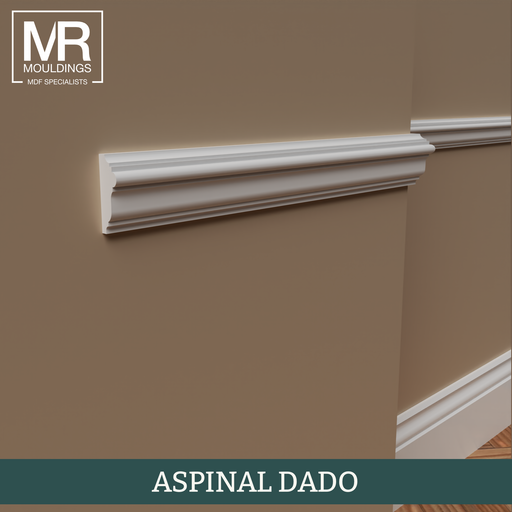
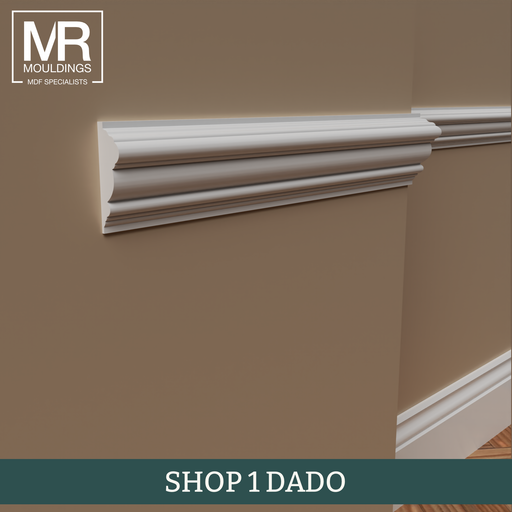
The standard dado rail height is between 900mm and 1,100mm from the finished floor level. In rooms with standard 2,400mm ceilings, 900mm is the established benchmark. For rooms with ceilings of 2,700mm and above, raising the rail to 1,000mm or 1,100mm maintains the correct visual proportion. A practical guide is to position the rail at roughly one-third of your ceiling height - this applies consistently across period and contemporary properties alike. For a full breakdown of positioning, see our guide on dado rail height.
Choosing the right dado rail style for your home
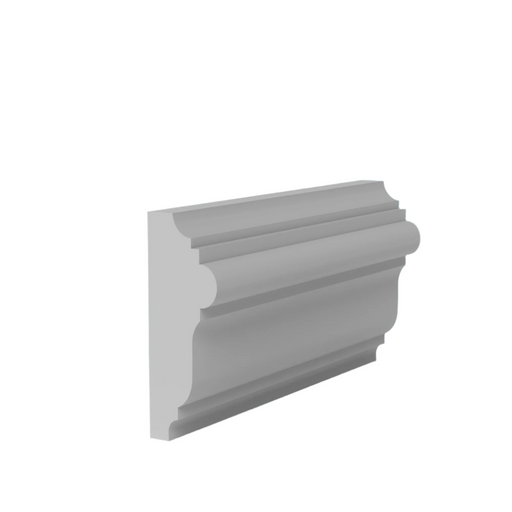
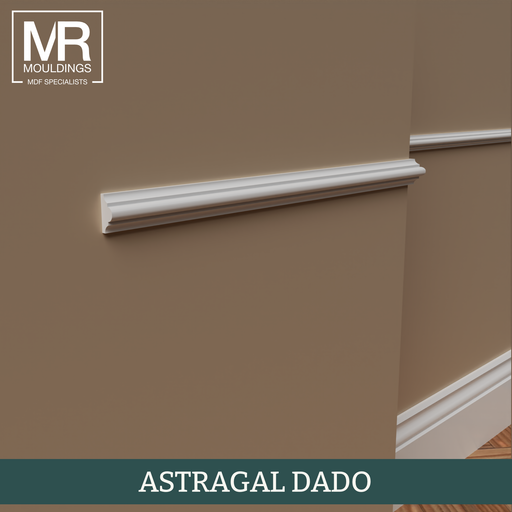
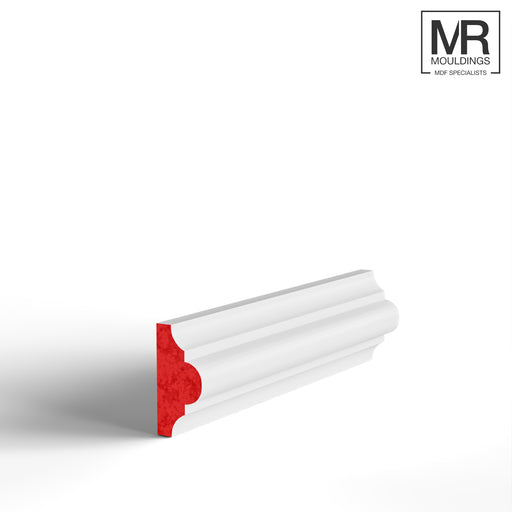
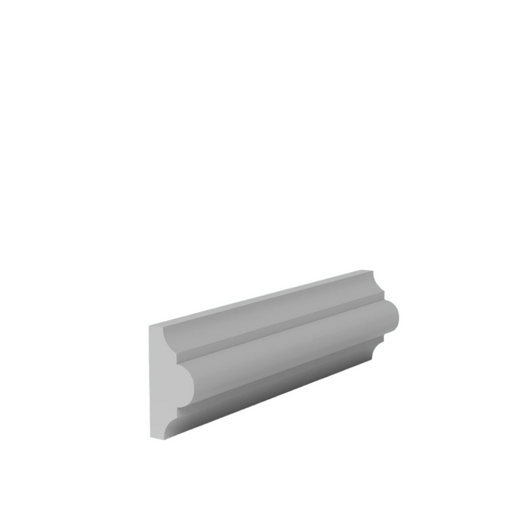
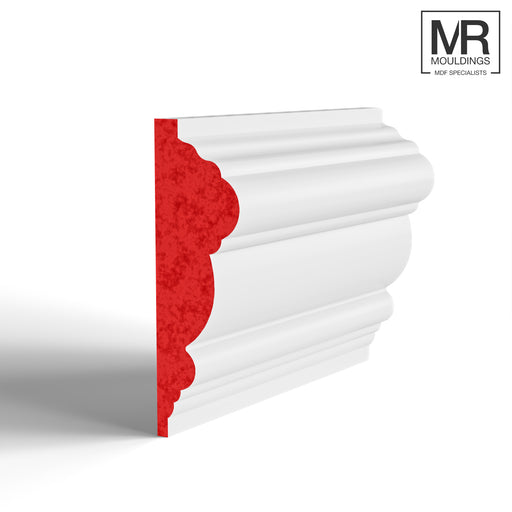
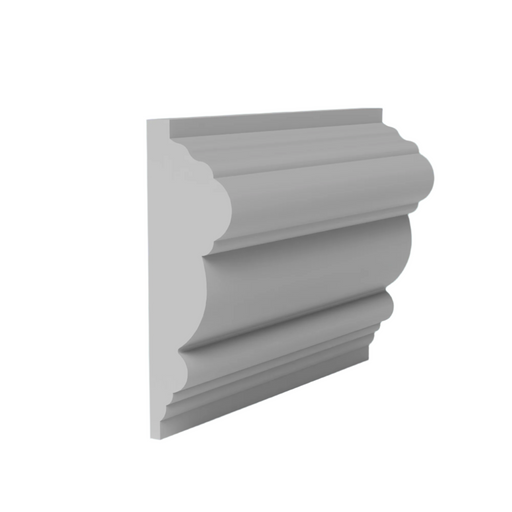
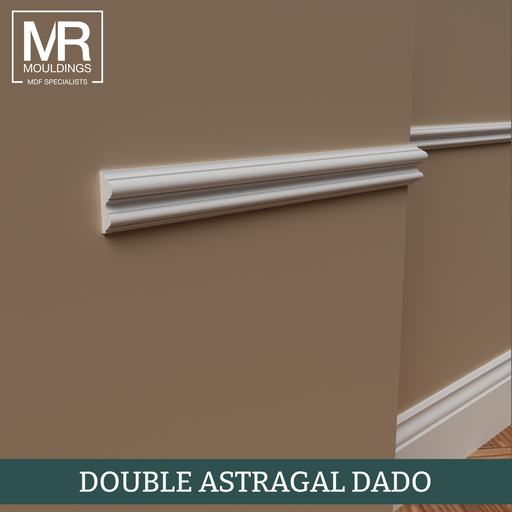
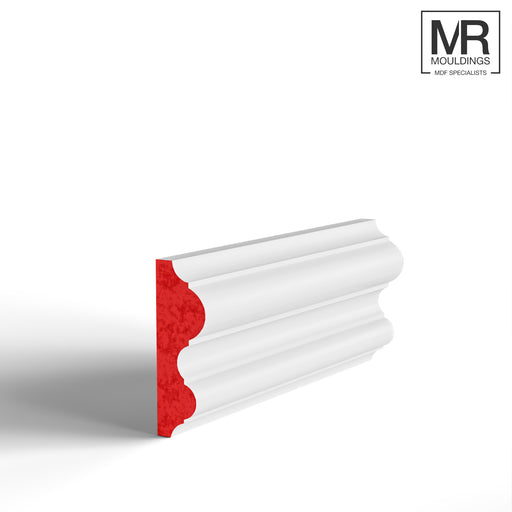
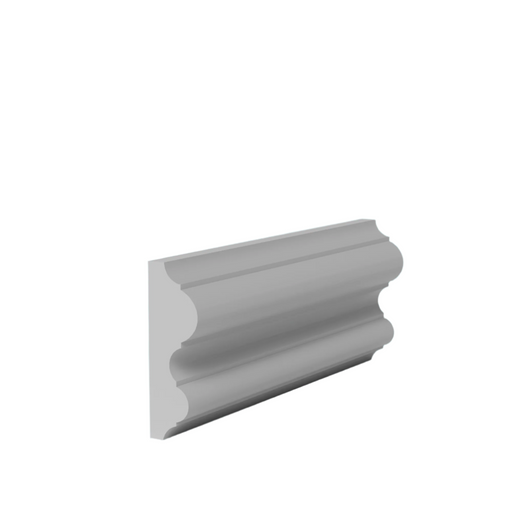
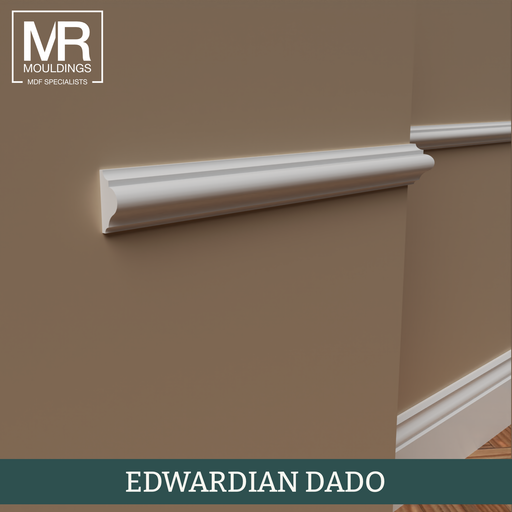
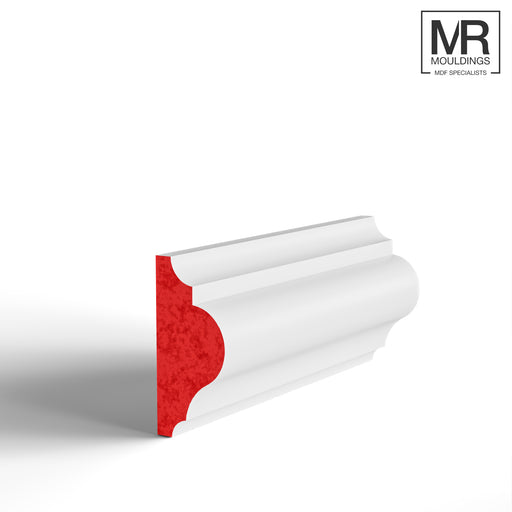
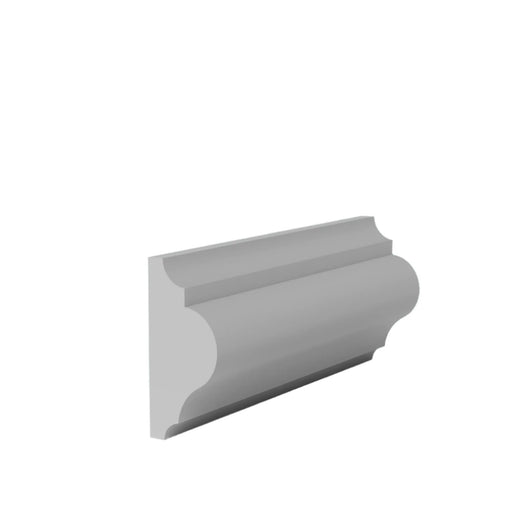
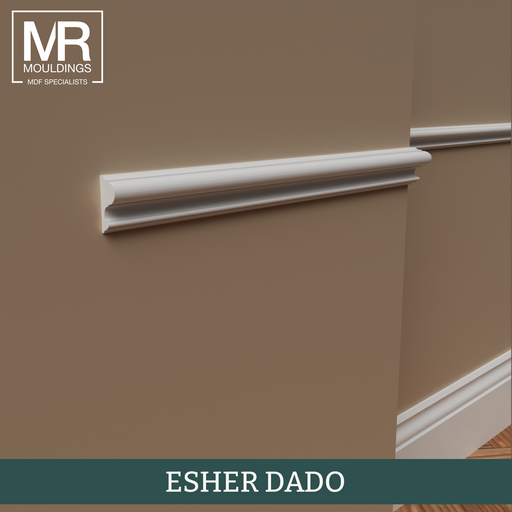
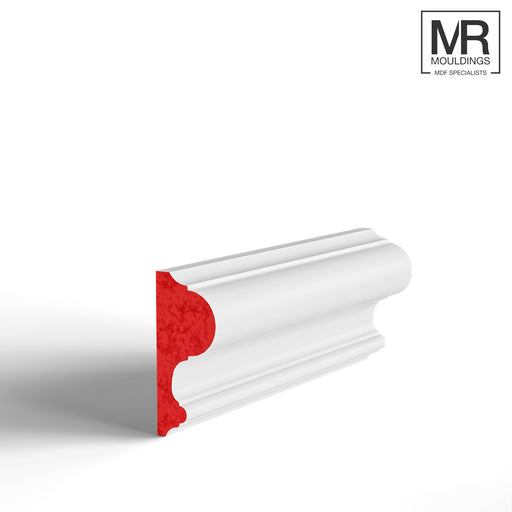
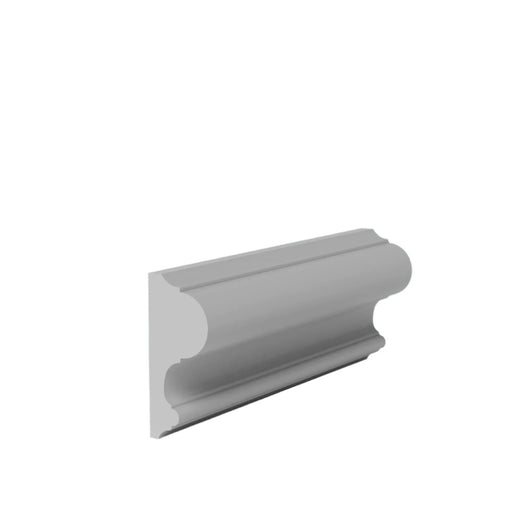
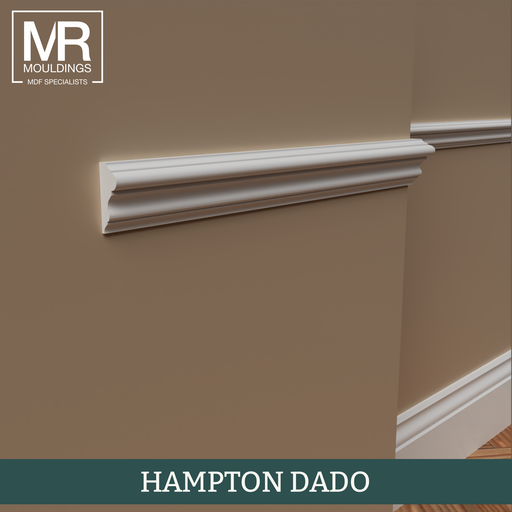
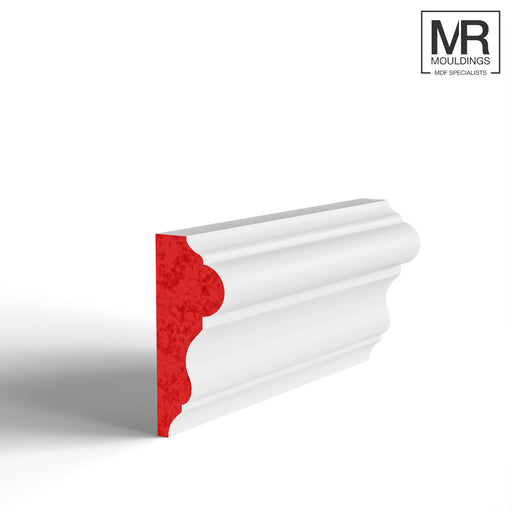
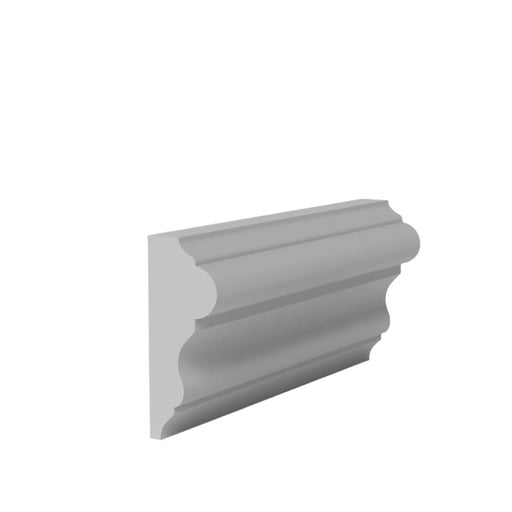
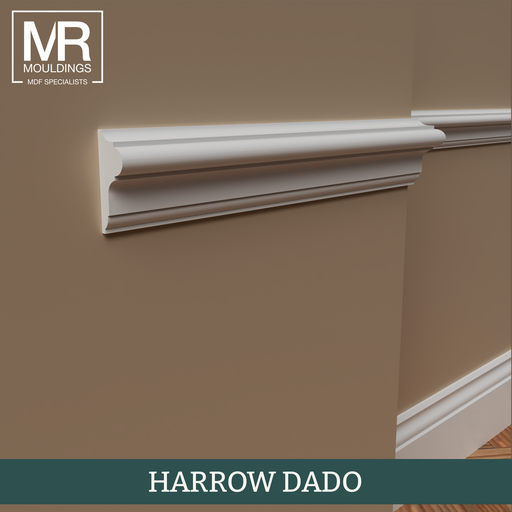
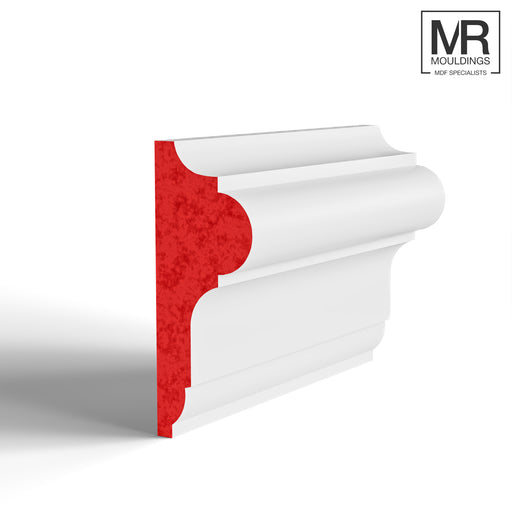
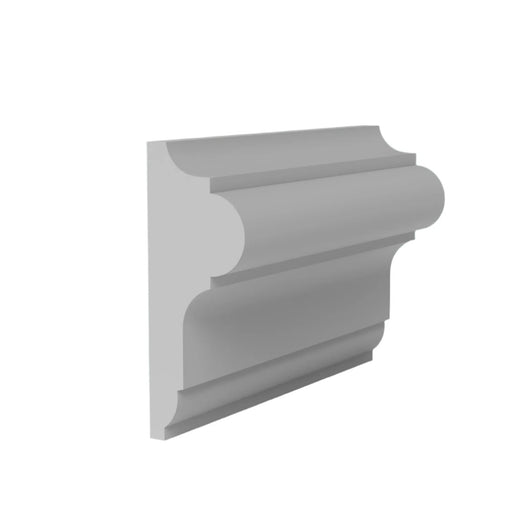
The profile you choose should reflect the age and character of your property. In a Victorian or Edwardian home, a stepped or moulded profile - like the Harrow or Edwardian - will sit naturally alongside deep skirting boards and ornate cornices. Georgian interiors suit something crisper: the Esher or Astragal, with their clean geometric lines, echo the restrained elegance of the period without adding heavy decorative relief. For contemporary and modern homes, the Hampton or Double Astragal work well as a minimal horizontal accent - adding architectural interest without period character.
Not sure which profile suits your home? Our Victorian dado rails and modern dado rails collections break the range down by style if you prefer to browse that way.
Using dado rails with wall panelling
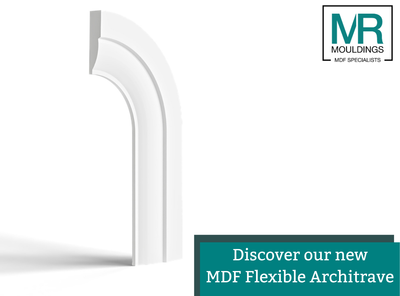
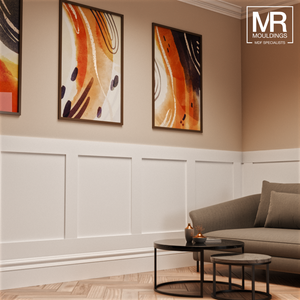
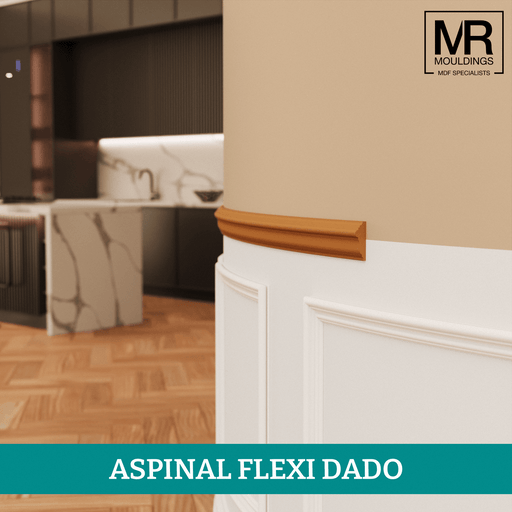
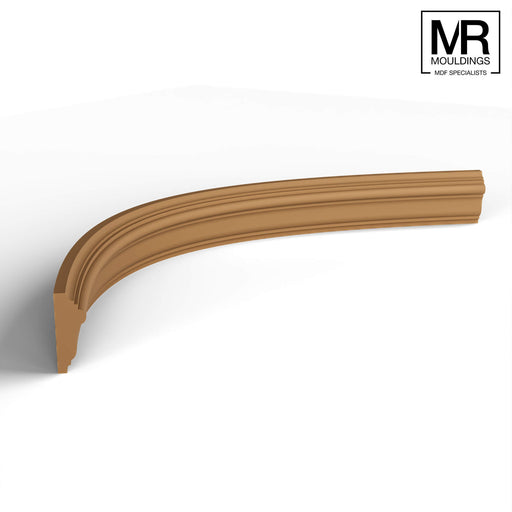
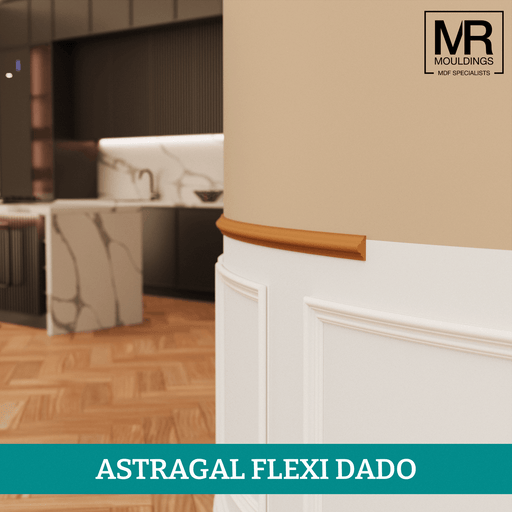
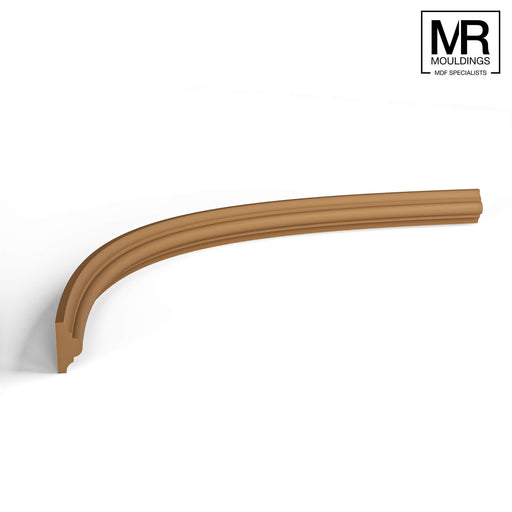
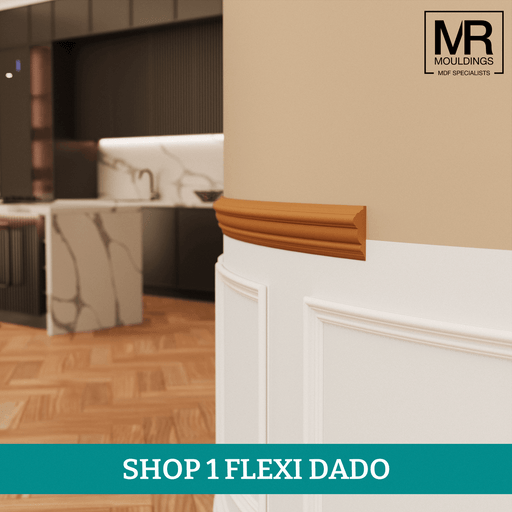
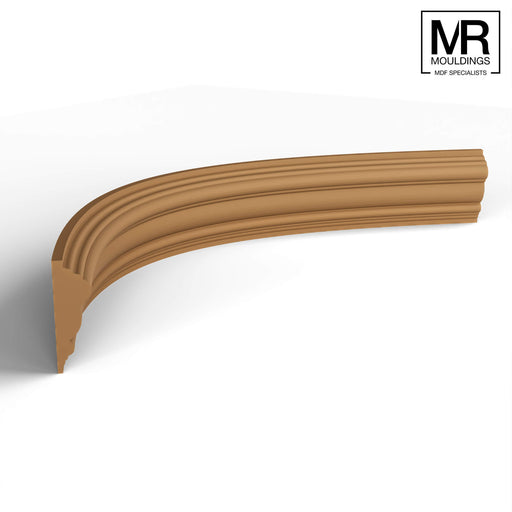
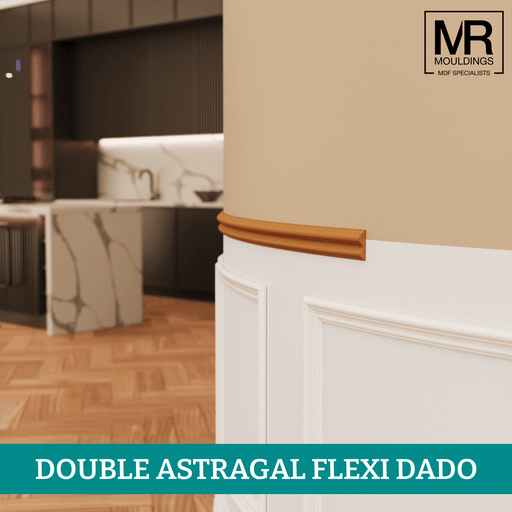
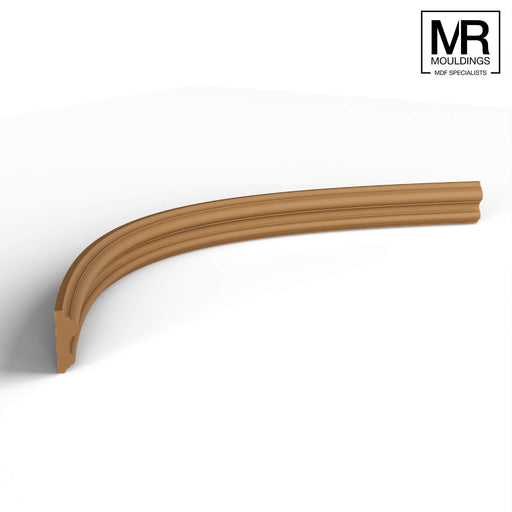
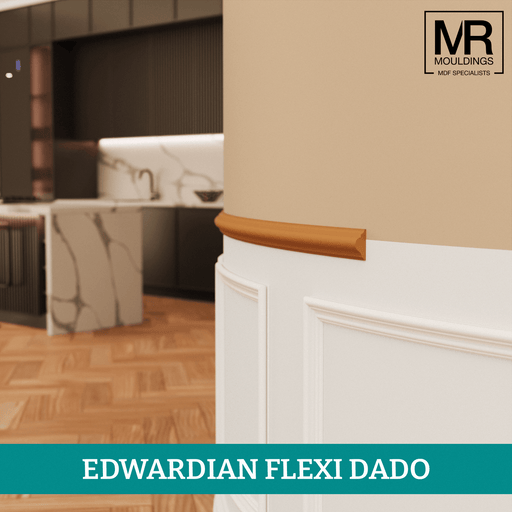
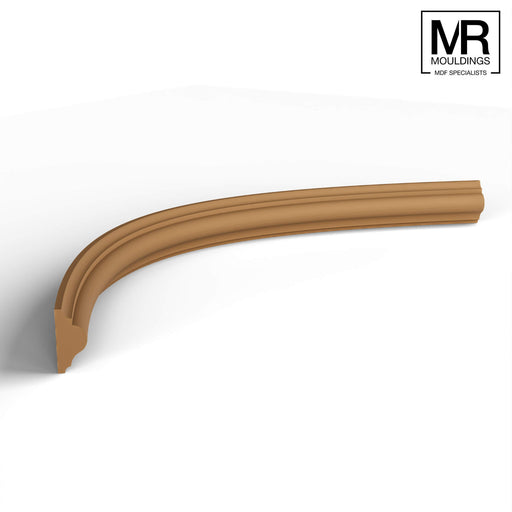
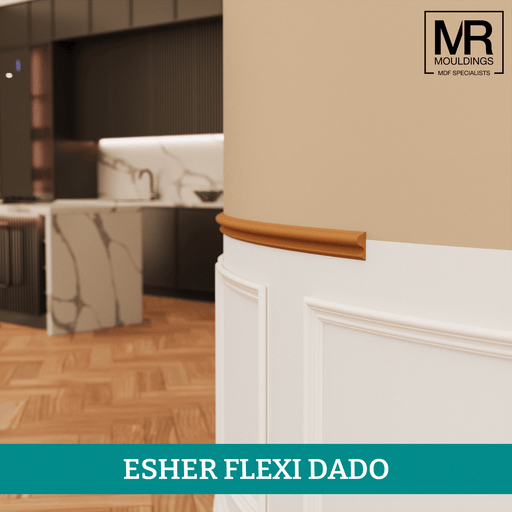
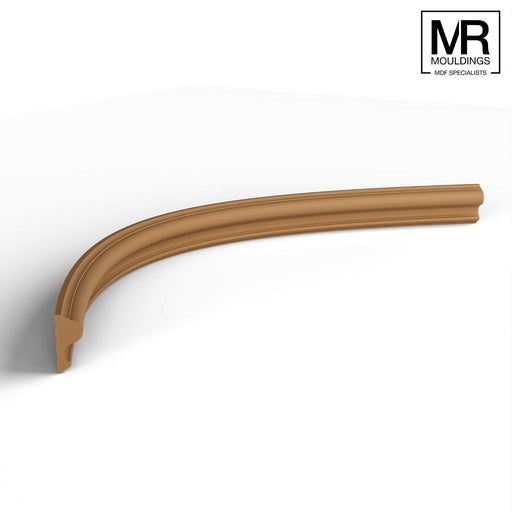
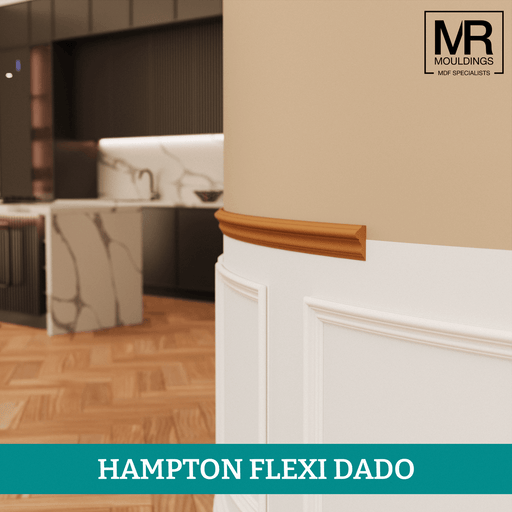
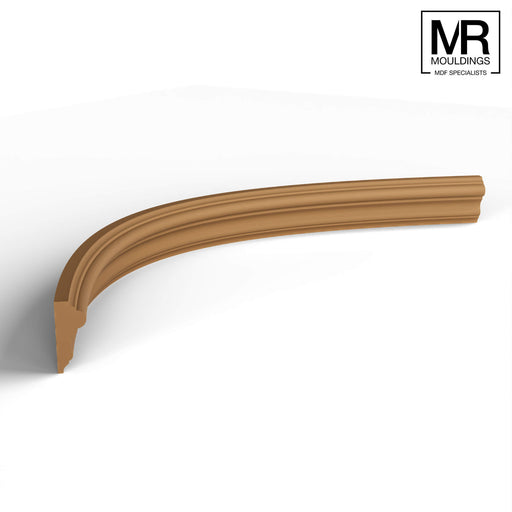
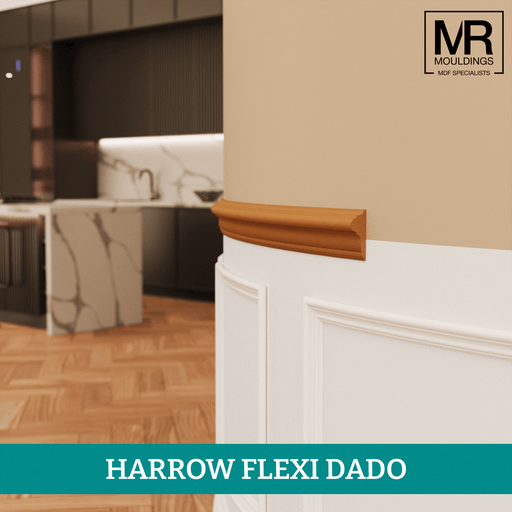
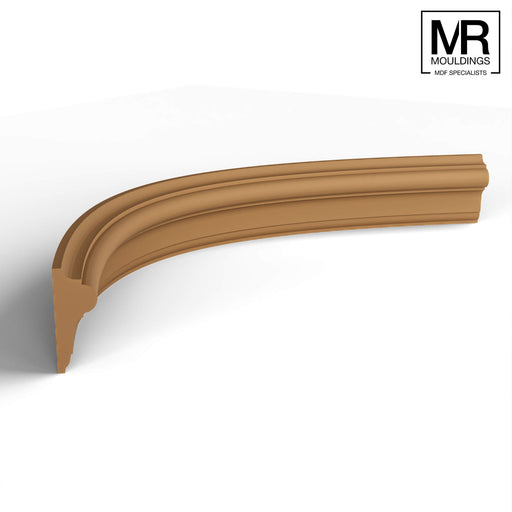
One of the most popular applications for a dado rail today is as the top cap on a wall panelling run. The rail sits at the junction between the panelled lower wall and the painted upper wall, providing a clean visual stop and a neat finish to the panelling edge. For this application, matching the dado rail profile to your panel moulding profile gives the most cohesive result. If your panelling runs around a bay window or curved wall, our flexible dado rails are manufactured to follow the curve cleanly without kerfing or heating.
Using dado rails on stairs
Fitting a dado rail on a staircase wall is one of the more common questions we get. The rail needs to be angled to follow the pitch of the stair, with the height measured consistently from the pitch line rather than the floor. Our guide on fitting dado rails on stairs covers the full process with step-by-step instructions. For staircases with curved or swept strings, the flexible dado rail range handles the transition without any specialist cutting.
Materials and specifications
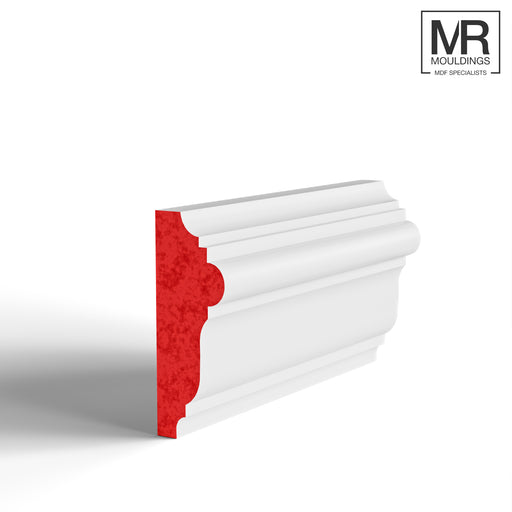
All our dado rails are manufactured in high-density MDF, pre-primed and ready to paint. MDF dado rails are the most widely specified option for residential use - dimensionally stable, smooth-faced, and straightforward to paint with any water or oil-based finish. Flexible MDF dado rails use a specially manufactured core that allows the profile to bend around curved surfaces. Fire-rated MDF dado rails are produced from a fire-resistant MDF core that meets UK Building Regulation requirements for commercial premises, HMOs, care homes, and higher-specification residential developments.
If you need a profile matched to existing mouldings in a period property or extension, our bespoke moulding matching service can produce a custom dado rail to your exact specification.