Skip to content



Wall Panelling Ideas: How to Get the Designer Look in Any Room

Most people assume the rooms they love in magazines come down to expensive furniture or a particularly clever paint choice. In practice, it's usually neither. What separates a room that feels genuinely designed from one that simply feels furnished is the architecture of the walls themselves. And right now, wall panelling is the most searched, most pinned and most talked-about way to get there.
Wall panelling is one of the most effective ways to achieve a designer look in any room. By adding structure, depth and proportion to flat walls, panel mouldings instantly elevate living rooms, bedrooms and hallways, creating a refined, luxury feel that looks architectural rather than simply decorative.
Architects and interior designers have used panelling for centuries to add depth, structure and proportion to a room. What's changed is that high-quality MDF moulding profiles have made it genuinely accessible to homeowners. Whether you're working on a Victorian terrace, a new build that needs character, or a bedroom that deserves more attention, this guide covers the key styles, the profiles that deliver them, and what to think about before you start.
Why Wall Panelling Works
To understand why panelling is so effective, it helps to think about what flat, empty walls actually do to a room. Without horizontal or vertical reference points, furniture looks like it's floating, and proportions feel undefined. Designers call this the 'white box problem', and it's particularly common in new builds and recently renovated properties.
Panelling solves it by introducing a structured grid that gives the eye somewhere to anchor. Once it's in place, the room immediately feels more intentional, and the furniture appears to belong where it's been placed.
There are three things panelling does that paint, wallpaper, and artwork alone cannot:
-
Adds dimension. The depth of the moulding profile casts subtle shadows that change throughout the day as the light moves. The room feels more alive.
-
Creates proportion. A well-scaled grid makes ceiling heights read better and gives rooms with awkward proportions a visual structure to work with.
-
Signals quality. Panelling is associated with considered, high-end interiors. Even a single feature wall shifts the perceived quality of a room significantly.
It's also worth noting that wall panelling has deep roots in British domestic architecture. Georgian townhouses, Edwardian hallways and Victorian parlours all used it as standard. If your home is a period property and you're thinking about restoring what may have been lost over the years, see our guide to period properties for more context on where panelling fits within a wider restoration.
The 5 Most Popular Wall Panelling Styles Right Now
There's no single 'correct' panelling style. The right choice depends on your property type, the room you're working in, and how bold you want to go. Here's a breakdown of the five styles currently driving search interest and inspiring most interiors projects in the UK.
1. Grid Panelling (Shaker-Style)

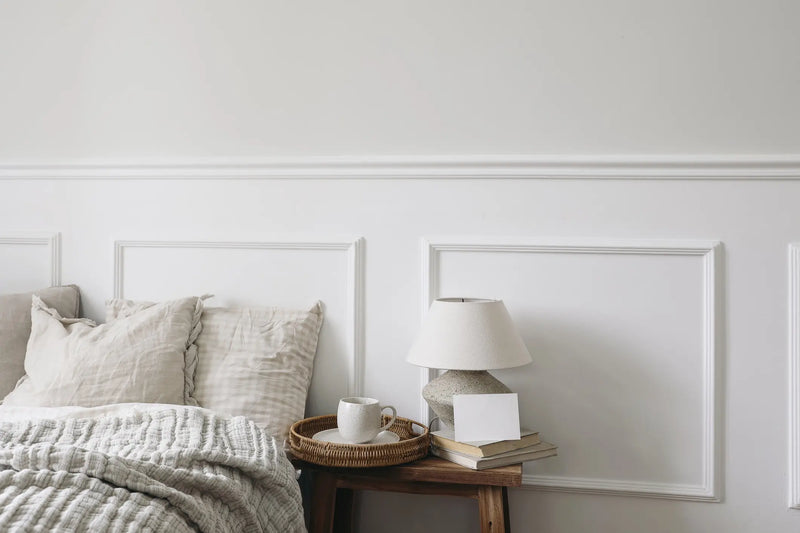
The most searched style in the UK right now, and the one you'll see most often across interiors content. Grid panelling uses rectangular mouldings applied directly to a painted wall in a structured, repeating pattern. The result sits comfortably between contemporary and traditional, which is why it works in such a wide range of property types.
What makes it particularly appealing as a starting point:
-
It suits almost any room, from living rooms and hallways to home offices and utility spaces.
-
It can be done in stages, starting with a single feature wall before committing to more.
-
Painting the panels and the wall behind them the same colour creates a tonal, sophisticated finish. Using contrasting colours creates something bolder and more graphic.
-
It's one of the more achievable DIY projects for a confident homeowner with basic tools.
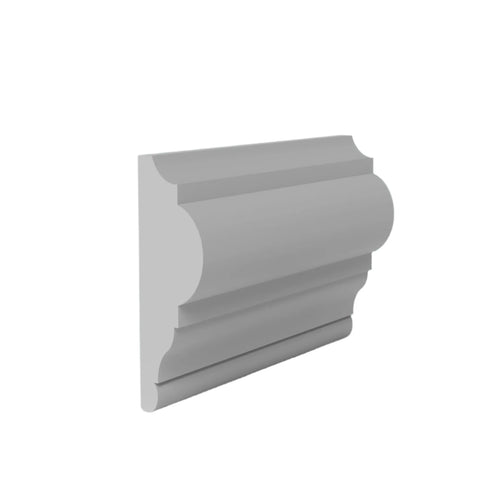
Best profile for this look: Torus or Ogee Panel Moulding
2. Dado Rail Panelling

A dado rail divides the wall horizontally at around 90cm from the floor, creating two distinct zones. Below it, a panelled finish or contrasting paint adds definition and weight. Above, the wall stays clean or is paired with wallpaper for a layered, period feel.
This approach is particularly effective in:
-
Hallways, where it protects walls from scuffs and gives narrow spaces a strong visual anchor.
-
Dining rooms, where the formality of a divided wall suits the character of the room.
-
Period properties, where a dado rail may once have been a standard feature.
Browse the MR Mouldings dado rail range
3. Full-Height Fluted Panelling

Fluted panelling uses a series of vertical channel-cut boards running from floor to ceiling. It has a sculptural quality that looks particularly strong under artificial lighting in the evening, when the shadows between the channels become clearly defined.
It works best as a single feature wall rather than across an entire room. The most effective placements are:
-
Behind a bed as a bedroom feature wall.
-
Either side of a fireplace, framing the chimney breast.
-
In a hallway or entrance as a first impression statement.
It's a bolder, more committed choice than grid panelling, but done well it's hard to match for visual impact.
4. Picture Rail Panelling

Picture rails run along the upper portion of the wall and are having a real revival in UK homes, both as a functional hanging system and as a design feature in their own right. In tall rooms they lower the visual ceiling height and create cosiness. In period properties they're part of the original architecture. Our hallway ideas guide looks at how picture rails work particularly well in entrance spaces, where the height of the ceiling can otherwise make a hallway feel cold rather than welcoming.
5. Wainscoting

Wainscoting covers the lower two-thirds or more of the wall in a raised-panel or grid arrangement. It's the most formal of the five styles and works best in:
-
Dining rooms, where the depth it adds suits the considered nature of the space.
-
Studies and home offices, where it creates a sense of seriousness and craft.
-
Period properties, where wainscoting was historically standard and its presence reads as authentic rather than applied.
The key distinction between wainscoting and simpler dado panelling is coverage and depth. Wainscoting is a more substantial commitment and tends to look like it was always part of the room.
View our Wall Panelling Kits to achieve this look
Room-by-Room Wall Panelling Ideas
Living Rooms
The living room is where most panelling projects begin, and where the impact tends to be most immediate. The approaches that work best:
-
A grid panel feature wall behind the sofa or TV unit creates a strong focal point and gives the furniture something to work against.
-
Floor-to-dado-rail panelling on all four walls creates an enveloping, layered feel that works especially well in rooms with higher ceilings.
-
Pairing white panelling with a deeper colour above, particularly greens, navies and terracottas, is one of the most shared finishes in UK interiors right now.
-
Combining panelling with integrated shelving or alcove treatments creates something more architectural and avoids the look of panelling applied as an afterthought.
Profile scale matters in living rooms more than anywhere else. A room with 2.4m ceilings needs a different moulding weight to one with 3m ceilings. Browse the full MR Mouldings panel moulding range and use the profile guide to find the right match.
Bedrooms
Bedroom panelling tends to be more intimate in scale. The most popular approach at the moment is half-height grid panelling behind the bed head wall, running from the floor to roughly mattress height. Done well, with considered lighting and a careful paint choice, it reads like a bespoke built-in headboard.
What makes bedroom panelling particularly effective:
-
It creates a clear focal point that otherwise only an expensive statement headboard can achieve.
-
It's a contained project. One wall, one weekend, and the room is transformed.
-
Painting the panelled wall a shade darker than the rest of the room adds depth without making the space feel smaller.
Hallways
The hallway gets overlooked in most homes, which is a shame given it's the first impression every visitor gets. Panelling can transform a narrow corridor into something with real architectural character, and it doesn't require any structural work.
Dado-height panelling is particularly well-suited to hallways for several reasons:
-
It protects walls from everyday knocks and scuffs at the height they're most likely to happen.
-
It creates a clear visual structure in spaces that are often awkwardly proportioned.
-
In period properties, it restores a feature that would likely have been original to the house.
-
A picture rail above the panelling completes the look and gives the full height of the wall a considered finish.
For more hallway inspiration and specific product guidance, see the MR Mouldings hallway ideas guide.
Choosing the Right Profile
Profile choice matters as much as the style you choose. The wrong profile in the wrong house looks unconvincing; the right one looks like it was always meant to be there. Here is a quick reference:
|
Profile |
Best For |
Style |
|
Torus |
Living rooms, hallways |
Classic, traditional, period-appropriate |
|
Ogee |
Victorian/Edwardian homes |
Ornate, authentic, period restoration |
|
Chamfered / Square |
Contemporary homes, new builds |
Clean, minimal, modern |
|
Bullnose |
Bedrooms, family rooms |
Soft, approachable, versatile |
|
Ovolo |
Dining rooms, studies |
Subtle detail, refined, timeless |
How Much Does Wall Panelling Cost?
This is the question most homeowners ask first. A full feature wall in a standard living room using MDF panel moulding typically costs between £80 and £250 in materials, depending on the size of the wall and the complexity of the grid.
The four things that affect cost most:
-
Profile choice. More detailed profiles cost slightly more per linear metre but the difference is modest.
-
Ceiling height. Taller walls require more vertical moulding, which increases the linear meterage needed.
-
Grid complexity. A large, simple grid uses considerably less moulding than a smaller, more intricate one.
-
Labour. DIY significantly reduces the total cost. A tradesperson will typically add a larger cost depending on the scale of the job.
To estimate your materials, measure the wall and calculate the total linear metres across both horizontal and vertical runs, including any perimeter pieces. If you'd like help working this out, get in touch with the MR Mouldings team and we can walk you through it.
Before You Start: Three Things That Make the Difference
Most panelling projects that fall short do so because of preparation rather than execution. Getting these three things right before you order will save time and produce a much better finish:
-
Surface preparation. Panelling applied to uneven or poorly skimmed walls will show every imperfection. Fill, sand and prepare the surface first. The moulding will sit more cleanly and the painted finish will be considerably better for it.
-
Scale and proportion. The panel dimensions need to suit your wall and ceiling height. As a starting rule, panels should be taller than they are wide. Wide, squat panels lose their elegance. Sketching the layout on paper or marking it out with tape before committing is time well spent.
-
Paint finish. A mid-sheen finish such as satinwood or eggshell catches the light along the moulding edges and makes the depth of the profile visible. Flat matt paint closes this effect down. It's a small detail that makes a noticeable difference to how the finished wall reads.