


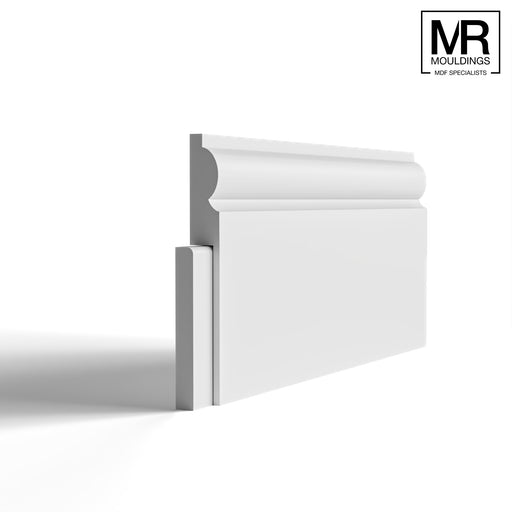
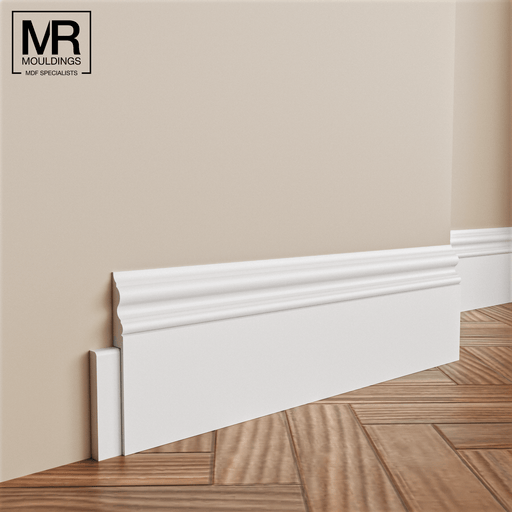
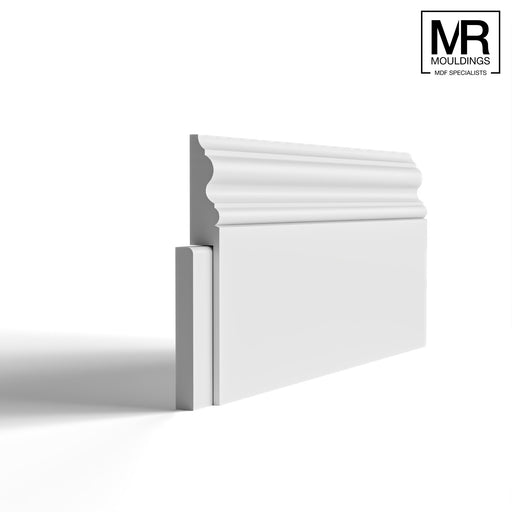
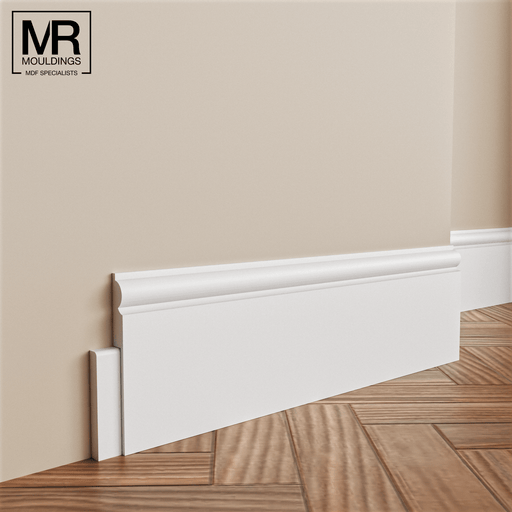
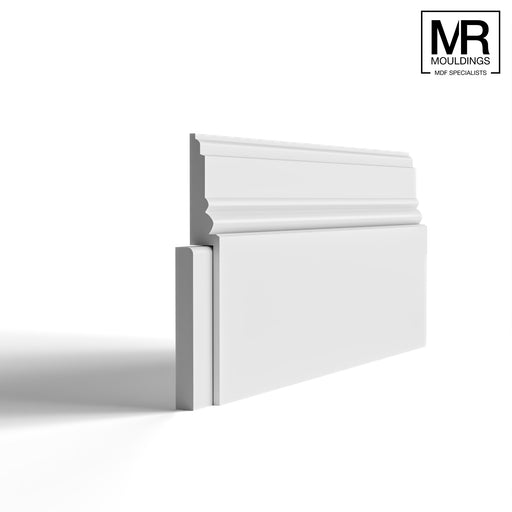
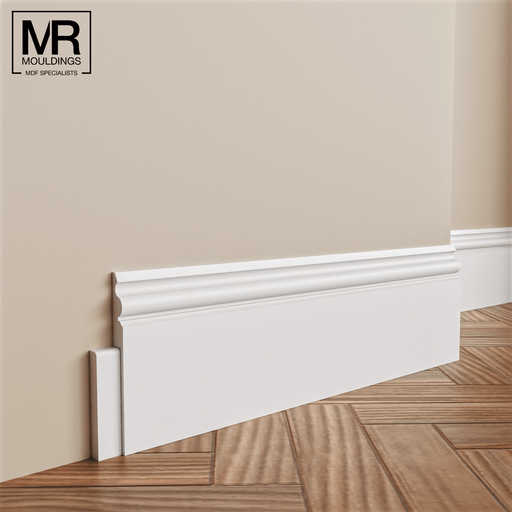
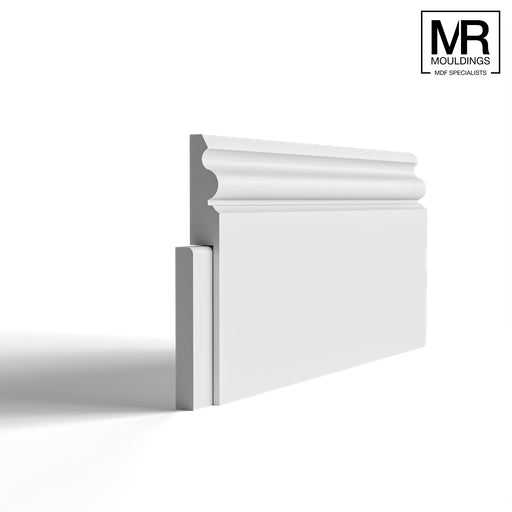
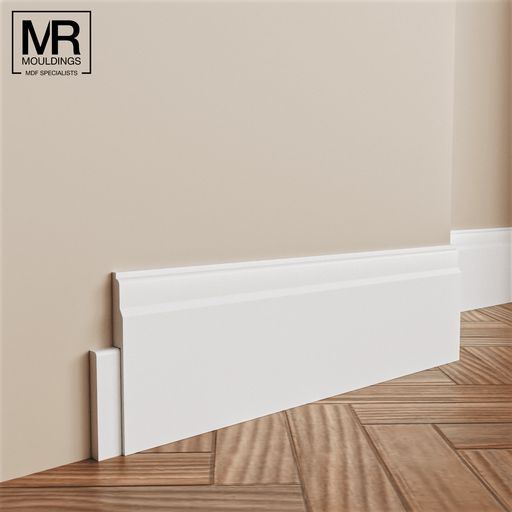
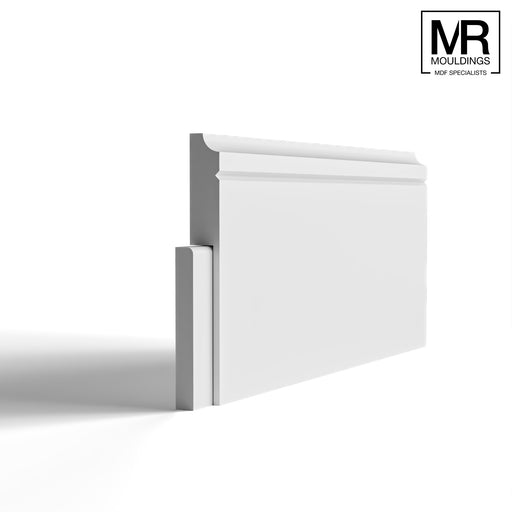
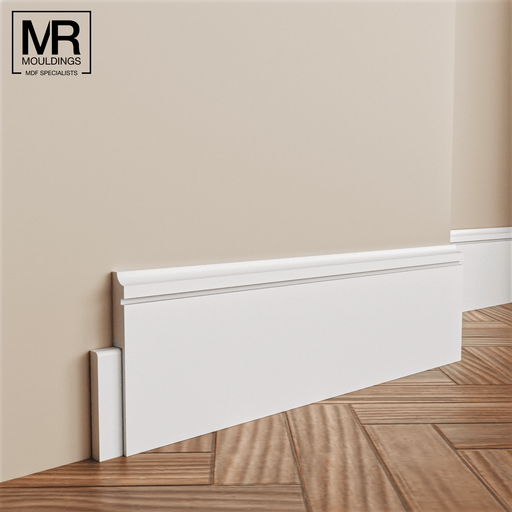
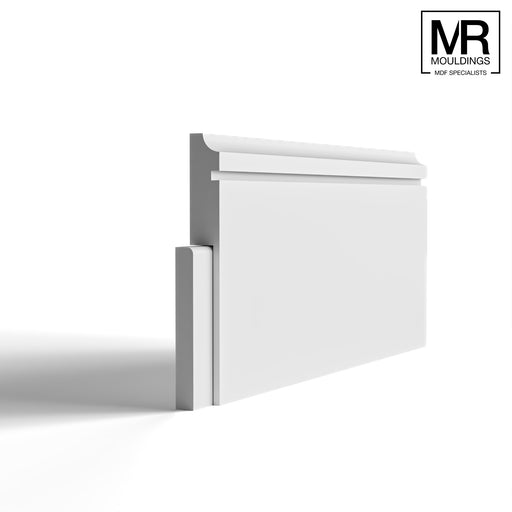
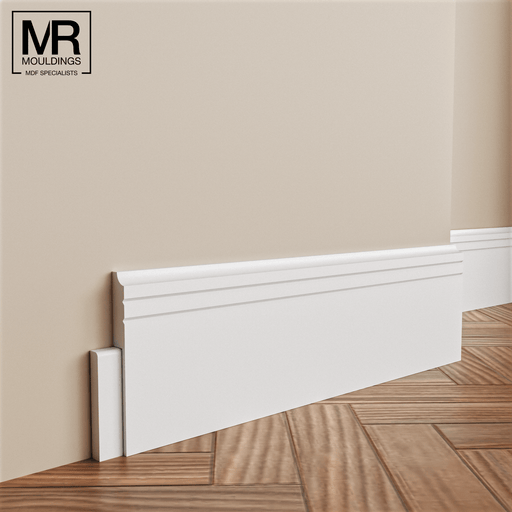
What are skirting board covers and how do they work?
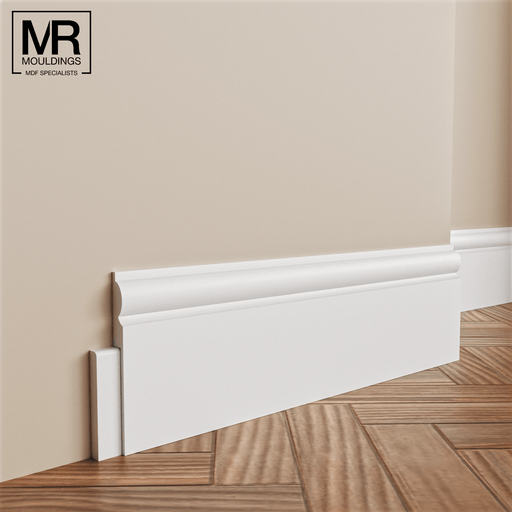
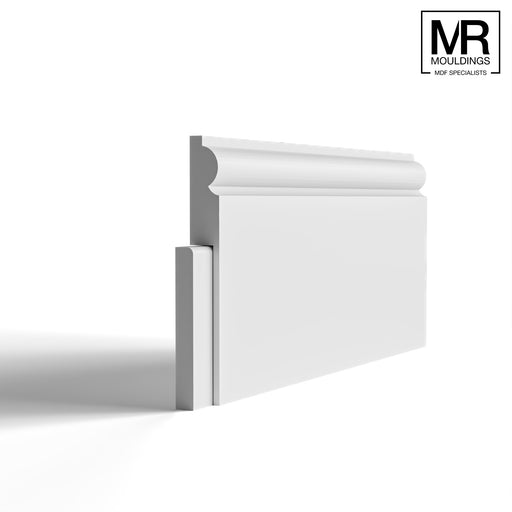
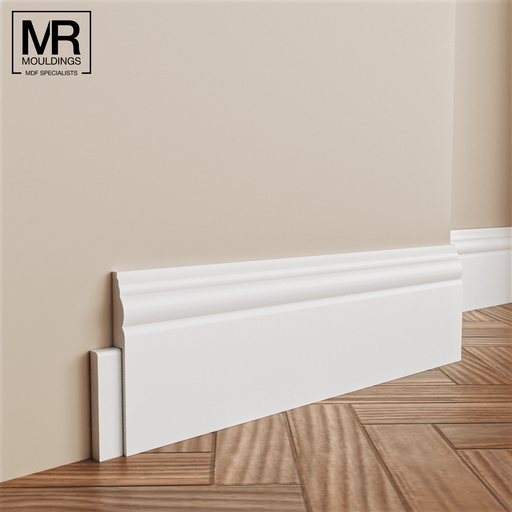
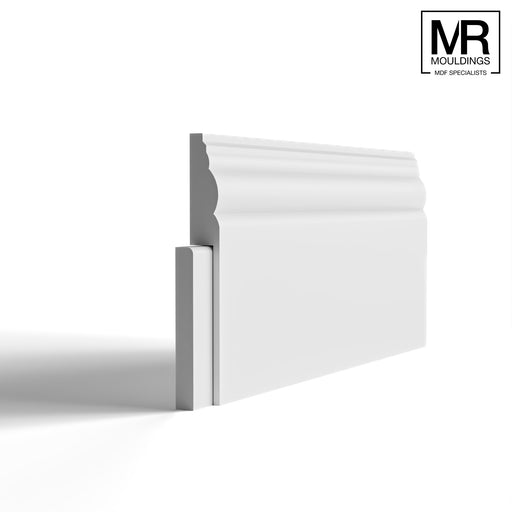
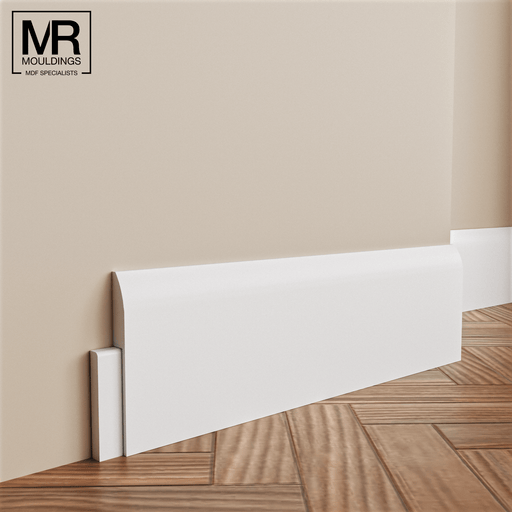
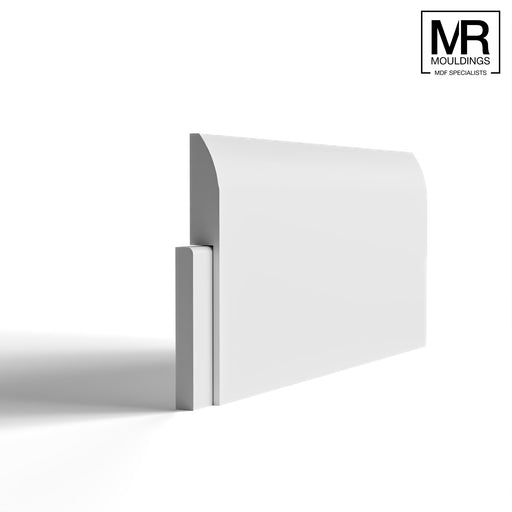
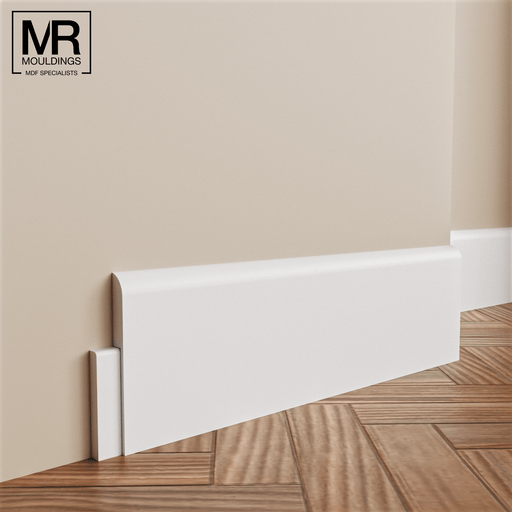
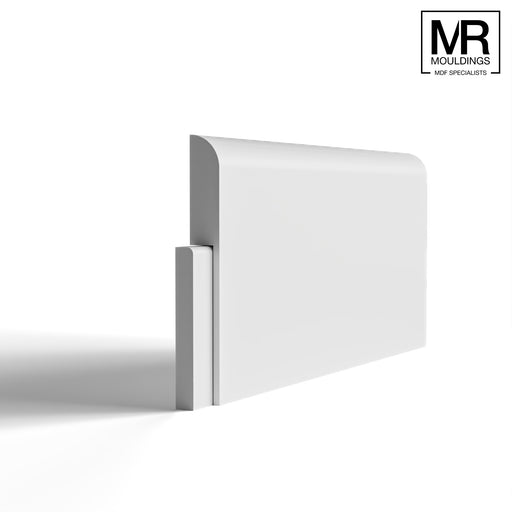
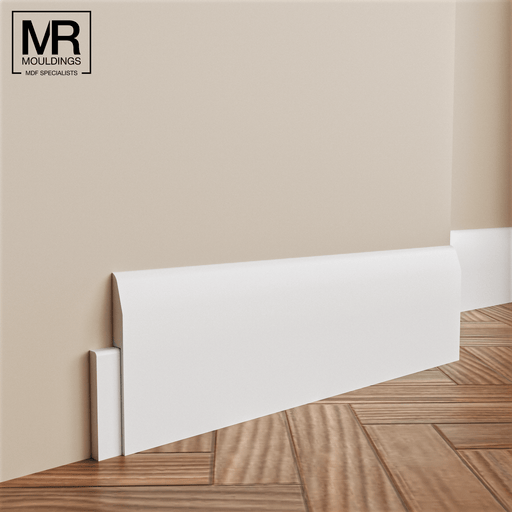
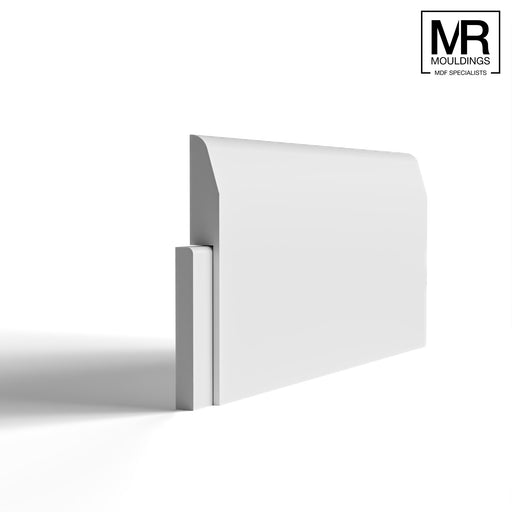
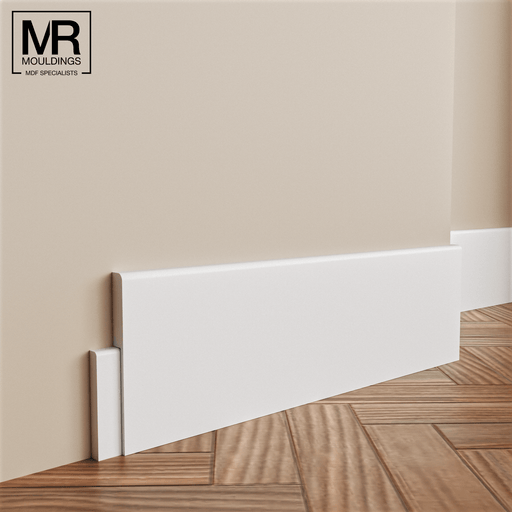
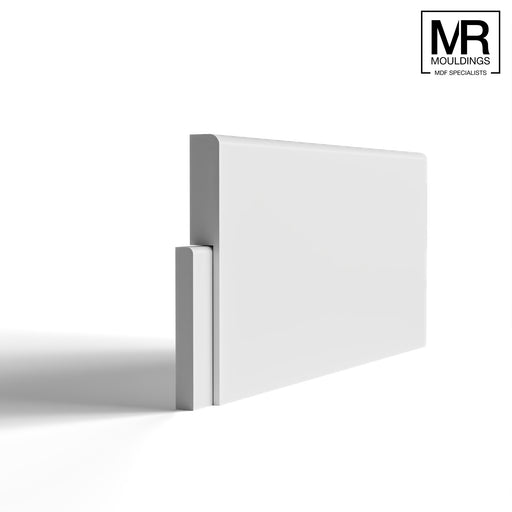
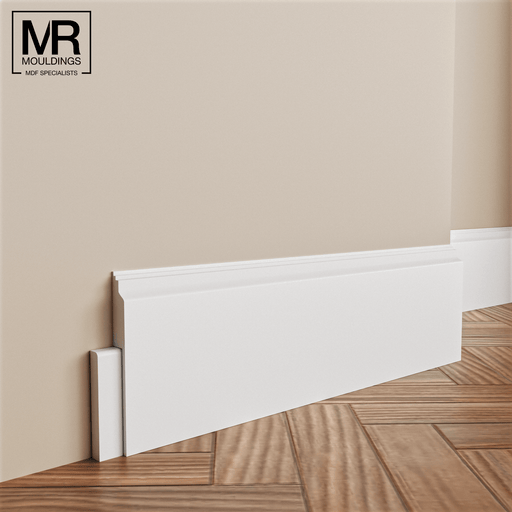
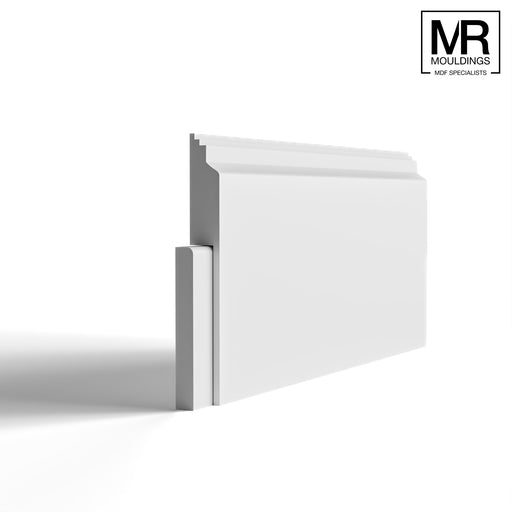
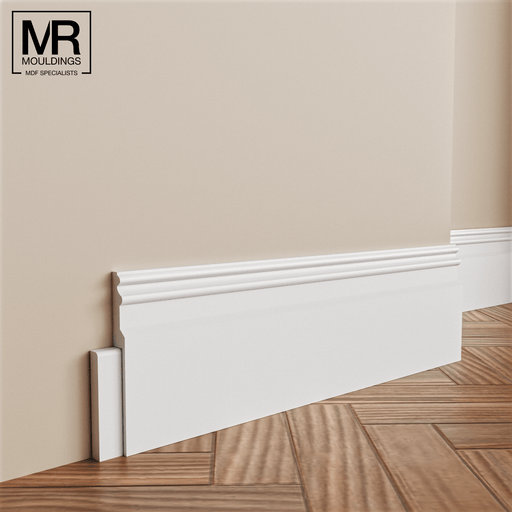
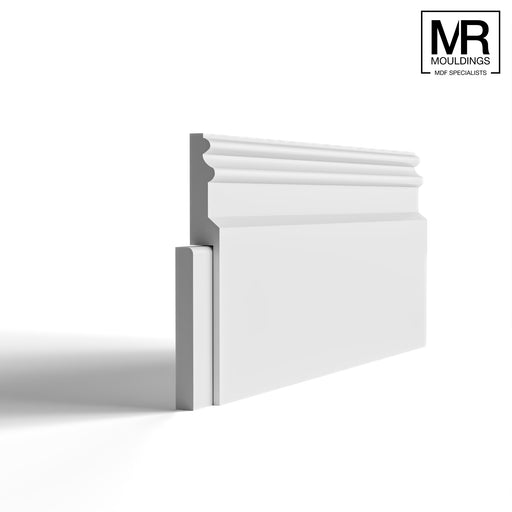
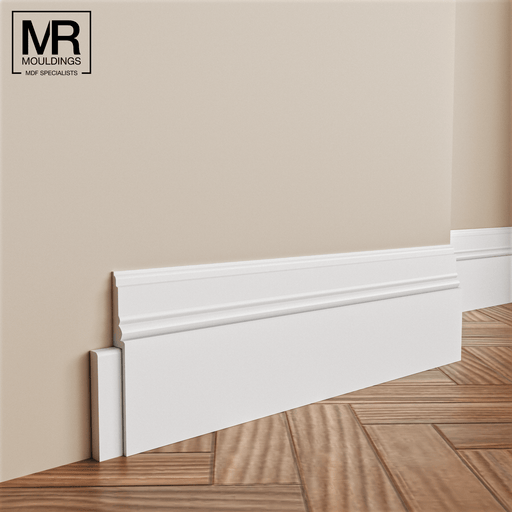
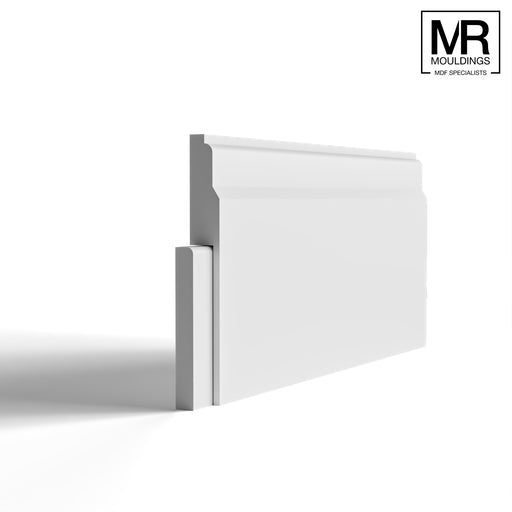
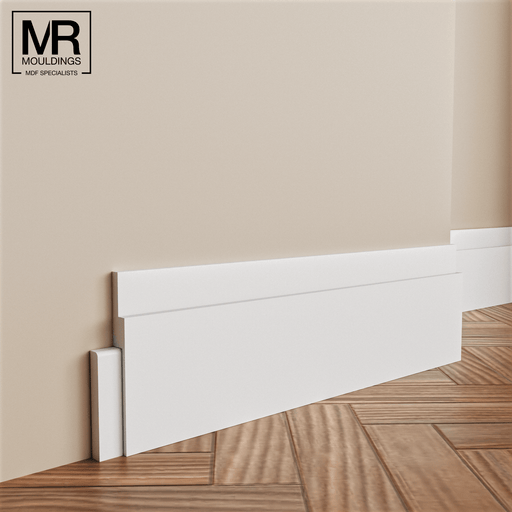
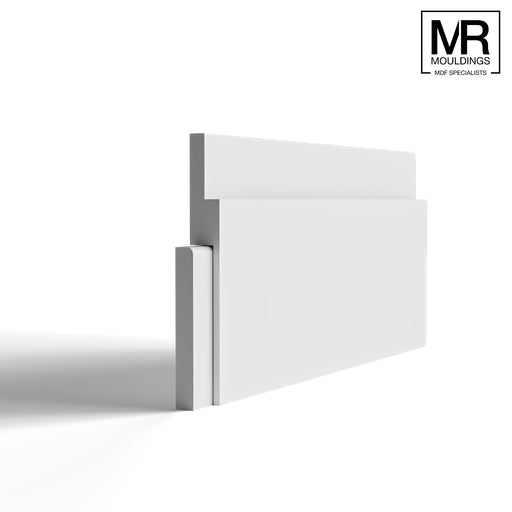
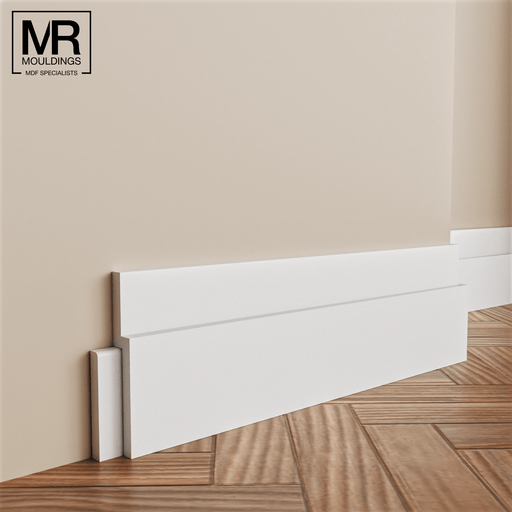
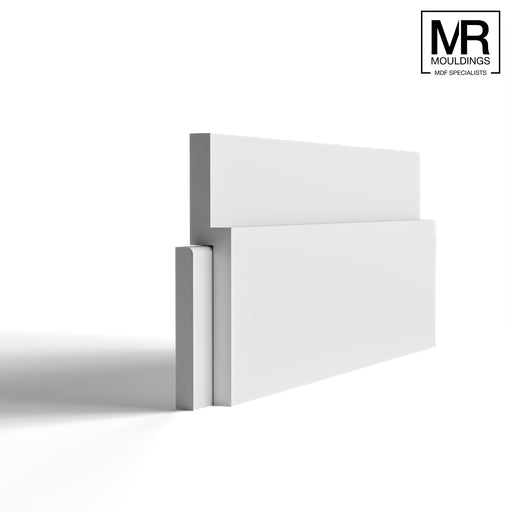
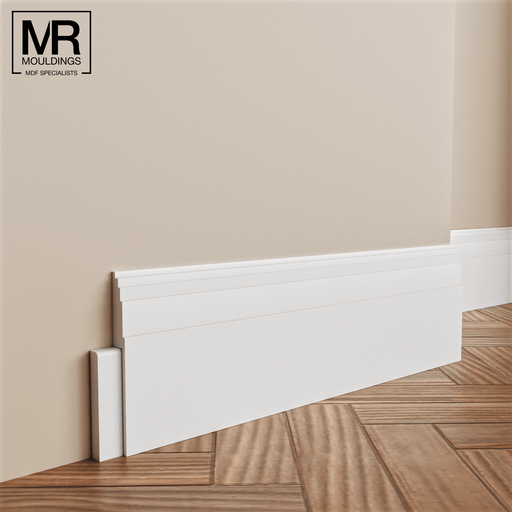
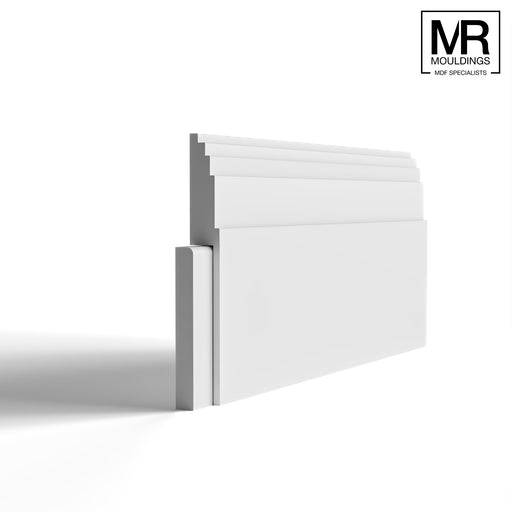
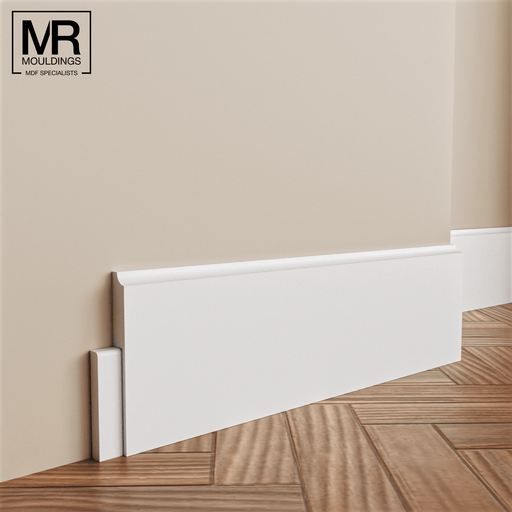
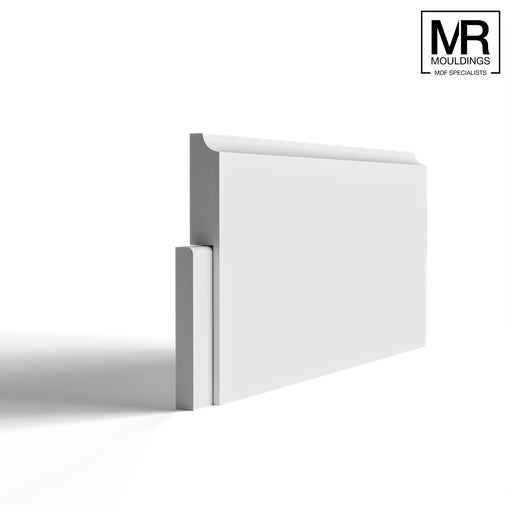
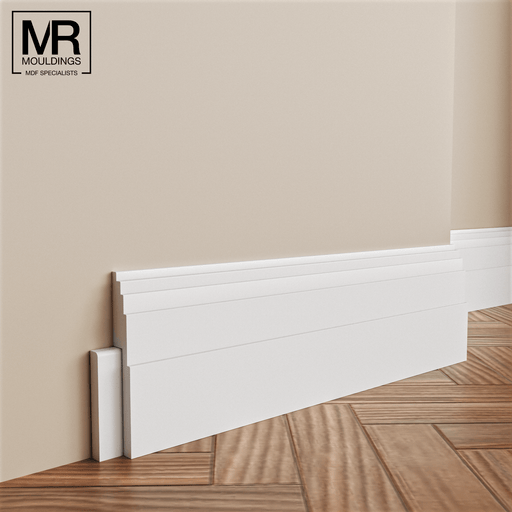
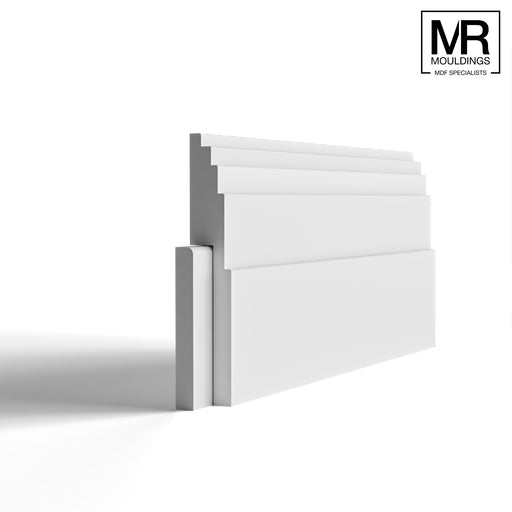
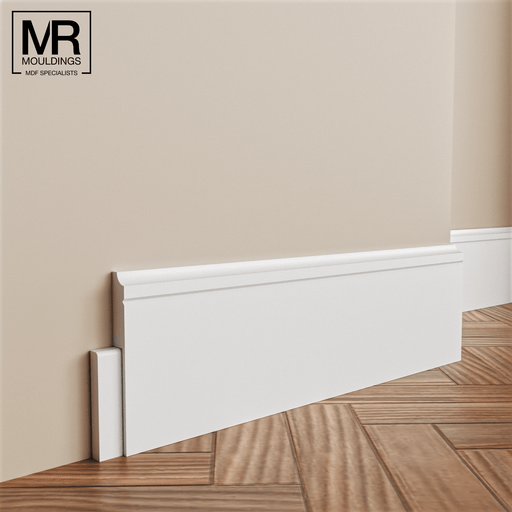
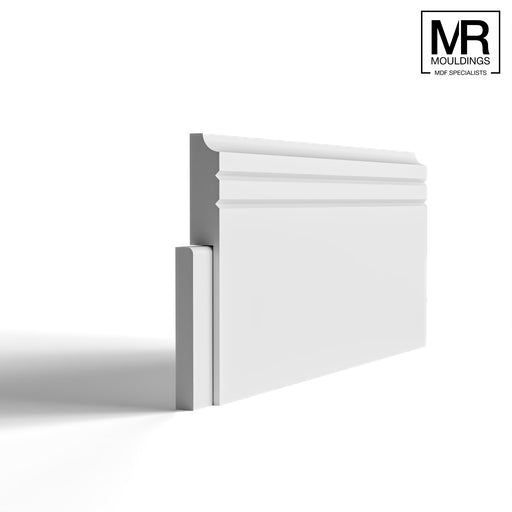
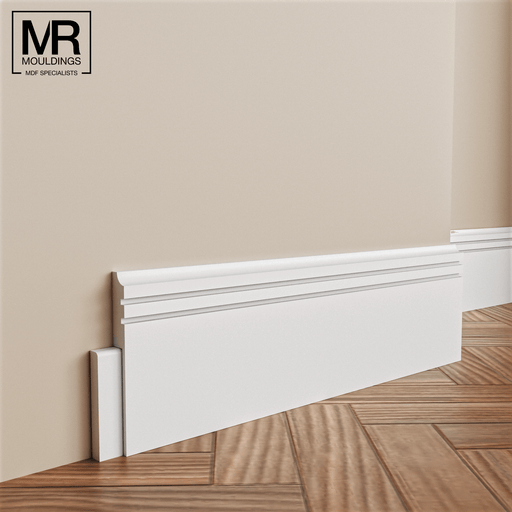
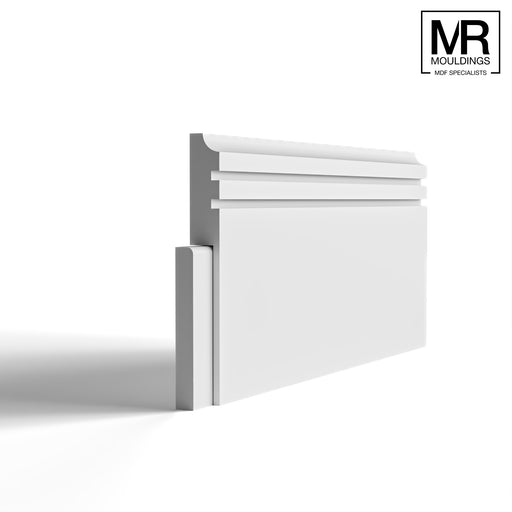
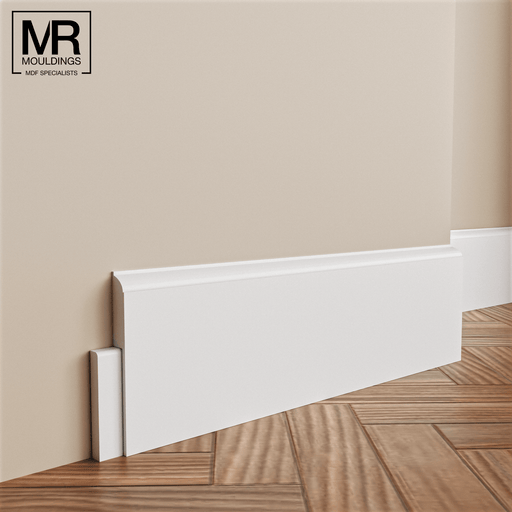
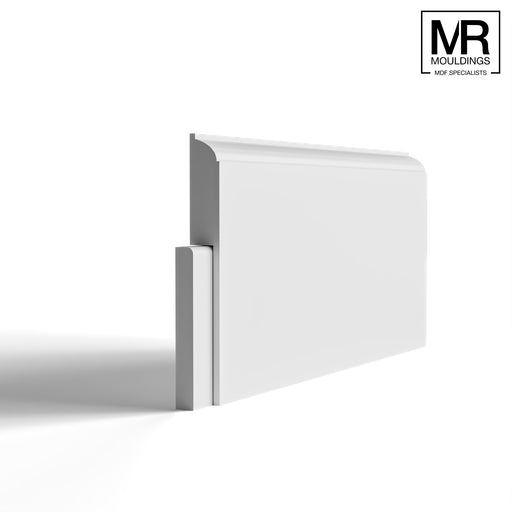
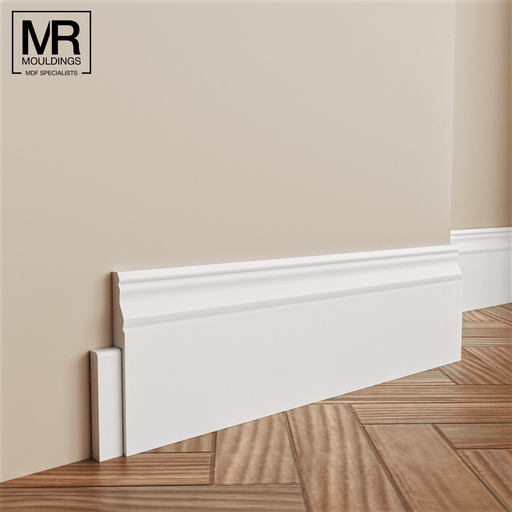
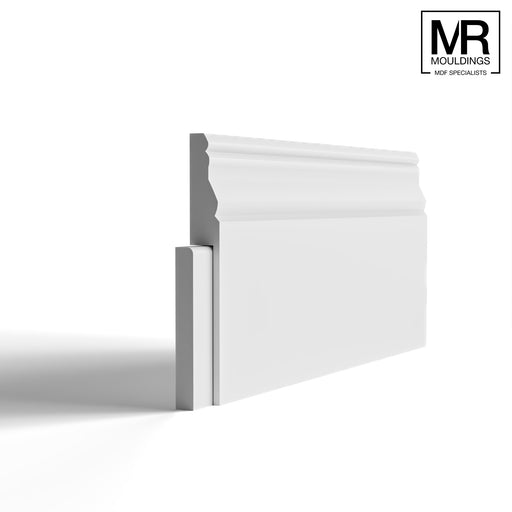
A skirting board cover, sometimes called an over-skirting board, is a purpose-made MDF board with a rebated or channelled back profile designed to sit over the top of your existing skirting boards. Rather than prising the old skirting away from the wall and dealing with the plaster damage, paint lines, and gaps that follow, you fix the cover board over the top using a construction adhesive, caulk the top edge to the wall, fill any gaps, and paint. The result is indistinguishable from a full replacement at a fraction of the time and cost.
Cover boards work best where the existing skirting is structurally sound but cosmetically poor, painted over multiple times, chipped, or a profile that no longer suits the room. If the existing skirting is loose, rotten, or sitting away from the wall, removal and replacement with a standard skirting board is the better approach.
Choosing the right profile
The profile you choose for your cover board should be taller than your existing skirting to ensure a clean overlap at the top edge. Most of our cover boards are available in heights from 95mm up to 220mm, giving plenty of scope to cover standard 70mm or 95mm existing boards with room to spare.
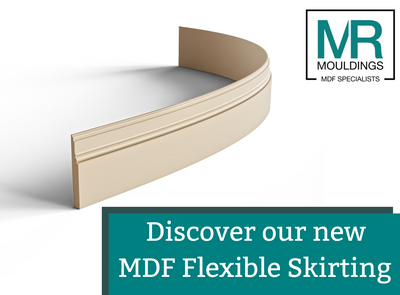
For contemporary interiors, the Bullnose, Pencil Round, and Stepped profiles give a clean horizontal line without decorative detail. For period properties, the Torus, Regency, and Ogee profiles sit naturally alongside Victorian architraves and cornices. If you are matching existing mouldings in the same property, browse our full skirting board collection to find the matching standard profile first, then select the cover board version from this range. For rooms with bay windows or curved walls, our flexible skirting boards may be a more suitable solution than a cover board.
Fitting skirting board covers
Installation is straightforward and requires no specialist tools. Measure and cut the cover board to length, mitre internal and external corners at 45 degrees, apply construction adhesive to the rebated back face, press firmly into position, and pin through if needed for additional support during drying. Once set, run a bead of flexible decorator's caulk along the top edge where the cover meets the wall, allow to dry, then prime and paint.
The main consideration is corner work. Internal corners can be finished with a butt joint or mitre, but external corners need a clean 45-degree mitre for the best result. If you need cover boards pre-cut to your exact room dimensions, our bespoke moulding matching service can handle that for you.
Materials and finish
All our skirting board covers are manufactured in moisture-resistant MDF, pre-primed and ready to paint with any water or oil-based finish. The pre-primed surface provides an excellent base for both roller and brush application and takes paint cleanly without grain raise. Once painted they are indistinguishable from solid timber or standard MDF skirting boards. If you also need to update your door frames at the same time, our architrave collection covers matching profiles across the same range.